
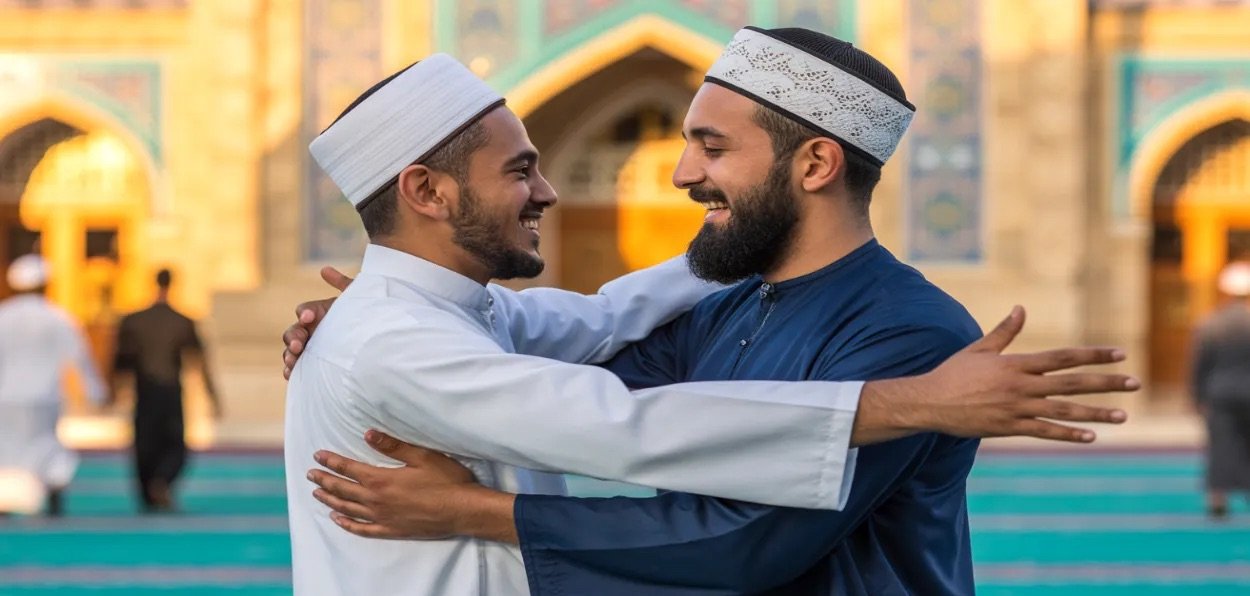
Today, it has become quite difficult to read newspapers or follow the media. Although social media is now an essential part of daily life, one often comes across news that reveals how deeply social harmony has been damaged and how severely mutual trust has been affected. This is happening in a society where people of different religions, cultures, languages, and races live together. Despite this diversity, there is a degree of similarity in lifestyles and food habits, making social harmony essential. Indeed, Indian society has lived the idea of “unity in diversity” for centuries—an example rarely found elsewhere in the world. This was made possible through harmony, mutual trust, and a spirit of brotherhood. Today, however, these values are under serious threat due to various political reasons, and certain disruptive social and political elements are harming harmony for personal gain. In such a situation, it is important to understand our responsibility as Muslims and the teachings of Islam in this regard.
In any society where diverse communities live together, harmony forms the foundation of peace and progress. India, with its religious, cultural, and lings dersty, has long been a strong example of coexistence. Islam teaches that communal harmony is not just a social need but also a moral and religious duty. It emphasizes respect, compassion, and peaceful coexistence, making harmony an essential part of faith. The Qur’an highlights that human diversity is part of the divine plan. It states: “O mankind, We created you from a male and a female and made you into nations and tribes so that you may know one another” (49:13). Thus, diversity is meant for mutual understanding, not division. Differences in religion, language, and culture encourage people to understand and cooperate with each other, strengthening goodwill and respect.
Islam also strongly emphasizes human dignity. The Qur’an declares that all children of Adam have been honoured (17:70). This establishes respect for every human being as a core Islamic principle, regardless of religion or identity. When human dignity is recognized, it naturally fosters mutual respect and peaceful coexistence.
Another key teaching of Islam concerns the rights of neighbours. The Qur’an instructs believers to treat neighbours with kindness, regardless of their faith. Verse (4:36) emphasizes good conduct toward both near and distant neighbours. Scholars explain that this includes helping, cooperating, and behaving kindly. A narration in In Majah also highlights the importance of treating neighbours well. In a diverse society like India, this teaching strengthens social bonds.
The life of Prophet Muhammad (peace be upon him) provides a practical model of peaceful coexistence. In Medina, he established a social agreement that recognized Muslims, Jews, and others as one civic community. Each group had the freedom to practice its religion, and mutual protection and cooperation were ensured. This shows that harmony is deeply rooted in Islamic tradition.
Peace is central to Islam itself. The word “Islam” comes from salam, meaning peace. The Qur’an encourages believers to incline toward peace (8:61) and values reconciliation, forgiveness, and goodwill as qualities that strengthen society. These teachings promote understanding and dialogue over conflict.
In the Indian context, these principles are especially relevant. India has long been enriched by cultural interaction among its diverse communities.
Literature, music, architecture, and social thought all reflect this shared heritage. Muslims have also contributed actively to this legacy. Islamic teachings of harmony align well with this environment and encourage positive engagement with all.
Islam also promotes cooperation in good and beneficial work. The Qur’an (5:2) encourages people to work together in righteousness. This means communities should collaborate in education, social service, environmental protection, and public welfare. Such cooperation strengthens both trust and harmony.
Respectful communication is another important teaching. The Qur’an advises speaking with wisdom and courtesy (16:125). Thoughtful and respectful dialogue helps bridge differences and strengthen relationships between communities.
In everyday life, small acts of kindness also promote harmony-greeting neighbours warmly, helping those in need, sharing in others’ joys, and standing by each other in difficult times. These actions reflect Islamic ethics and nurture a culture of care and goodwill.
Thus, communal harmony is not just a social ideal but a spiritual responsibility in Islam. The Quran teaches that humanity shares a common origin and should live with mutual respect and peace. When these values guide behaviour, societies grow with trust and goodwill.
For a diverse country like India, these teachings offer a hopeful message.
They remind us that faith can unite rather than divide. By following Qur’anic principles of compassion, neighbourliness, and human dignity, communities can strengthen friendship and cooperation. The message of Islam is clear: peaceful coexistence is both socially beneficial and deeply rooted in its moral teachings. Communal harmony is not just a social value but an expression of faith, reflecting a vision of humanity built on respect, understanding, and peace. Therefore, Muslims carry a greater responsibility-as bearers of this messageto practice it and share it with others.
A. B. Nadwi
Islamic Scholar