


In an impassioned speech delivered recently in Pune, Rashtriya
Swayamsevak Sangh (RSS) chief Mohan Bhagwat urged Indians to reject divisive rhetoric and embrace peaceful coexistence. Addressing controversies surrounding places of worship, such as the Shahi Jama Masjid in Uttar Pradesh’s Sambhal and Ajmer Sharif in Rajasthan, Bhagwat emphasized that stoking disputes over religious sites is detrimental to India’s unity. “India should set an example of how different faiths and ideologies can live together in harmony,” Bhagwat declared. Speaking as part of the lecture series titled “Vishwaguru Bharat,” he called on citizens to learn from the country’s history and avoid repeating mistakes that have led to social discord.
India stands a critical juncture of growth and world leadership, therefore a balance between its ambitions and domestic incongruences needs to be arrive at.
The new disputes resembling the Ram temple controversy are being raised harming the interests of religious communities. It is equally concerning that these issues gain a quick international attention harming the image of India at the global stage.
However the issues are distinct in their nature when it comes to a comparison between the Ram temple and other places- a long standing matter of faith for Hindus- and the current wave of allegations regarding other religious sites, driven mostly by hate and enmity, as mentioned by Bhagwat- “Raising issues about some new sites out of hate and enmity is unacceptable.” Therefore, it must be stressed that the individuals and groups must desist from exploiting religious differences for personal or political gain, warning that such actions undermine the nation’s fabric.
It is imperative to reemphasize India’s ancient culture and traditions, the inclusivity and respect for diverse beliefs, as a way to mitigate societal friction and divisions. The traditional past of India subjugated the expressions of extremism, aggression, majoritarianism, and abusive approach towards others. As the RSS chief emphasized that no one should claim superiority instead they should draw inferences from India’s tolerant past and act as a facilitator of principled space to other religions especially minorities. India’s strength lies in its ability to embrace pluralism, a trait that has allowed the country to flourish as a mosaic of cultures and faiths over centuries. India’s identity transcends the binary of majority and minority Accordingly, when each realises the strength of India’s fused identity, the binary of the majority or minority will vanish and the whisper of all are one, will prevail. Additionally, every individual should have the freedom to practice their chosen faith without fear or prejudice.
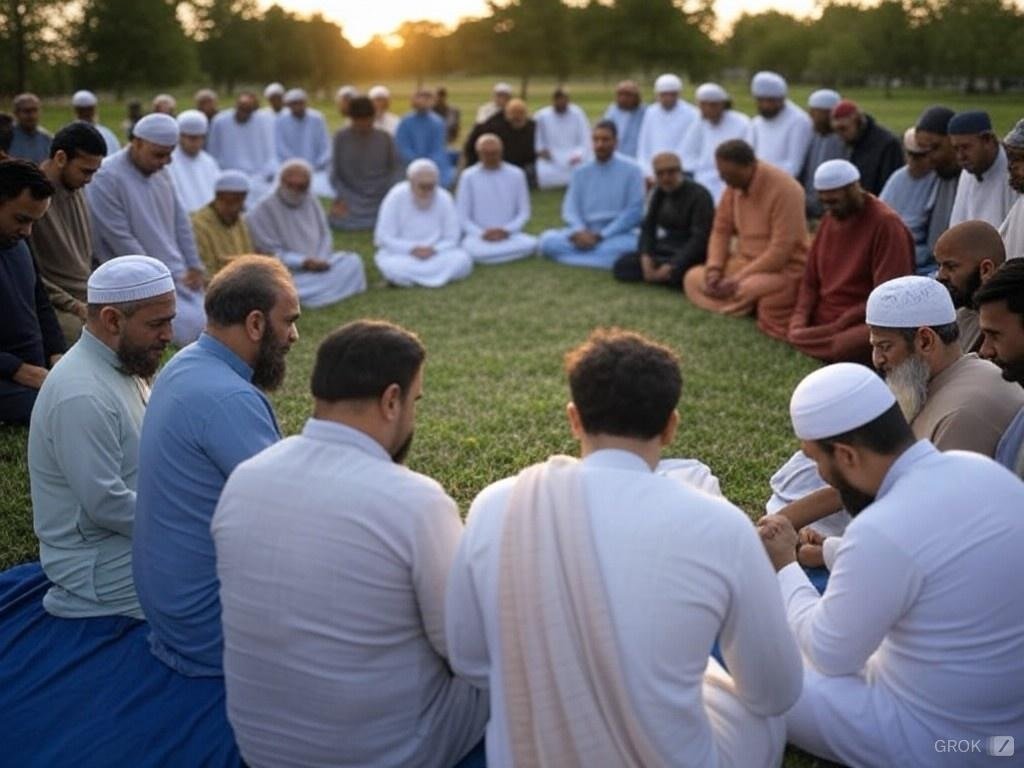
In order to address the growing divisive challenge, there is a need of collective effort to foster Hindu-Muslim unity and societal harmony. This vision underscores the importance of dialogue and mutual respect in addressing contentious issues.
Both communities must learn to prioritize commonalities over differences and to work together to uphold India’s democratic and secular ethos. The restraint and caution in an era where social media amplifies divisive narratives are pillars of the combined effort towards reliving the Pluralism for which India is globally known. The provocative rhetoric must be rejected and a commitment to peaceful coexistence reaffirmed. Bhagwat’s message seeks to inspire a broader societal shift towards inclusivity. “The world is watching,” Bhagwat said, urging Indians to model harmonious coexistence for other nations. It is further believed that by addressing internal divisions, India can emerge as a global leader in fostering unity in diversity. In this context, Bhagwat’s speech serves as a timely reminder of India’s potential to become a vishwaguru—a global teacher. By upholding values of tolerance and pluralism, India can demonstrate how religious and ideological differences can coexist without conflict.
To realize this vision, Bhagwat called for an inclusive approach that respects all faiths and fosters dialogue. It is observed that the religious leaders and community influencers play a pivotal role in bridging divides. Educational institutions too can contribute by inculcating values of tolerance and empathy in young minds.
While Bhagwat’s speech has been widely lauded for its emphasis on harmony, it also serves as a call to action for citizens. It is a reminder that building a united and peaceful India requires efforts from every individual, community, and institution. As Bhagwat concluded, “Everyone should be able to practice their way of worshipping in this country.” His words resonate as an appeal to India’s collective conscience, urging the nation to rise above petty divisions and uphold its legacy as a land of unity in diversity.
-Altaf Mir,
PhD, Jamia Millia Islamia