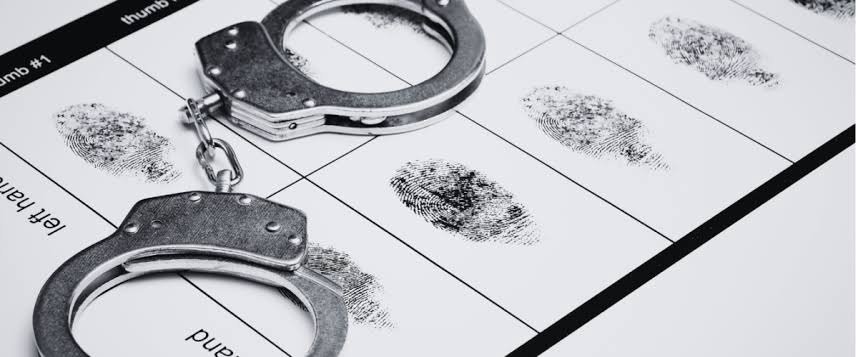


<p>The use of forensics, in all cases in which the punishment is 7 years or more, has been introduced in the BNSS. This will vastly improve the quality of investigation and base it on scientific methods. This, in turn, will lead to better prosecution.</p>


<ol start="2" class="wp-block-list">
<li>BNSS Cl.176(3) introduces a mandate for the collection of forensic evidence at the crime scene by a ‘forensics expert’ in all offences punishable by imprisonment of seven years or more. The clause prescribes a five-year period regarding the implementation of the provision in different States/UTs.</li>


<li>The introduction of this clause is a significant step towards ensuring proper collection of forensic evidence from crime scenes in serious cases. Currently, the practices for evidence collection vary across States. In many States, scientific staff from Forensic Science Laboratories (FSLs) or District/Mobile Forensic Science Units (DFSU/MFSU) may also be called for crime scene visits by police officials depending on the nature of the case. In states such as Karnataka, the state police have created posts to hire civilian forensic experts as Scene of Crime Officers (SoCOs) to assist with crime scene management. Thus,<br>Restricted<br>137<br>while mandating evidence collection by an expert is a positive change, implementation of the measure at the ground level may require significant upgradation of commensurate forensic tools, State Forensic Science Laboratories/SFSLs, Regional Forensic Science Laboratories/RFSLs and Central Forensic Science Laboratories/ CFSLs.</li>


<li>Cl.349 expands the types of forensic samples that may be collected from any person upon a Magisterial order under s.311A CrPC.</li>


<li>Corresponding to s.293 CrPC, Cl.329 BNSS retains the exemption for certain government scientific experts from appearing as witnesses before the court.</li>


<li>Cl.330(1) adds a new proviso to s.294 CrPC regarding when formal proof of documents is not required. This proviso disallows calling any experts to appear before the court, unless the genuineness of their report is disputed by the parties.</li>


<li>The BNSS enables medical examination of an accused for the purposes of investigation by a police officer if the officer has reasonable grounds to believe that such examination will produce evidence linked to the offence (Cl. 51-52). Earlier, in CrPC, the rank of the police officer had to be at least a Sub- Inspector for performing this task. This modification in BNSS is also a reflection of the increasing education standards of police joining in lower ranks i.e. below Sub-Inspector.</li>
</ol>

Forensics