
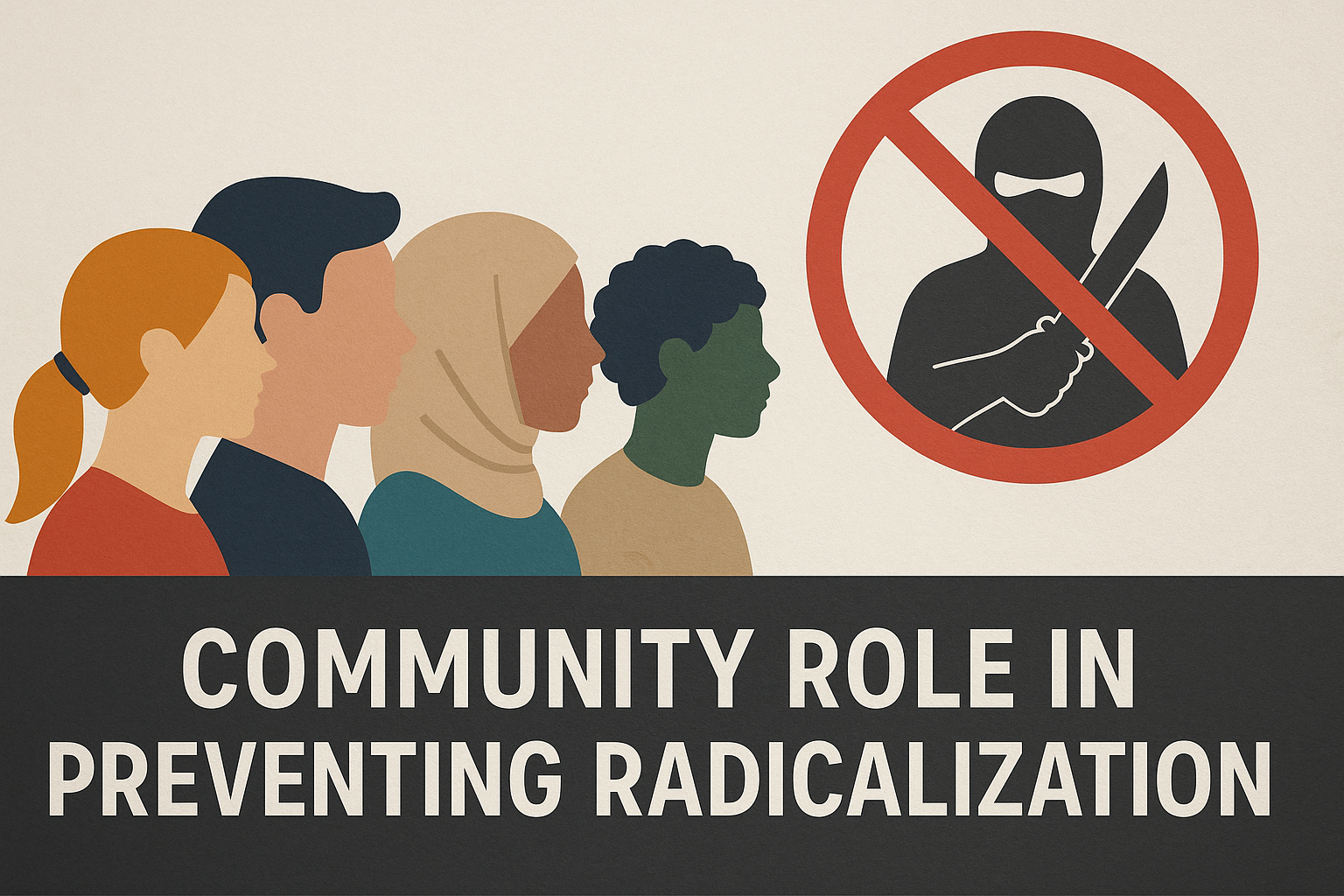
Radicalization has emerged as one of the most complex challenges of our time, affecting societies across ethnic, religious, and political lines.
While the word often evokes fear and division, much of the public discourse around radicalization is driven by sensationalism rather than understanding. Media narratives, political rhetoric, and even social media trends tend to portray it as an inevitable or monolithic threat linked to particular groups, which can alienate communities and worsen the very problem they aim to address. In truth, the most sustainable solutions lie not in panic-driven reactions but in empowering communities to act as the first line of prevention through education, empathy, and social inclusion.
Radicalization does not occur overnight; it is a gradual process influenced by personal grievances, identity crises, social alienation, or perceived injustice. Sensational coverage that demonizes entire communities or faiths not only distorts this complexity but also isolates individuals who might otherwise seek support.
When media and policymakers frame radicalization as an “us versus them” narrative, they deepen mistrust and make it harder for communities to cooperate with authorities. Constructive engagement requires acknowledging that the overwhelming majority of citizens, regardless of religion or background, reject extremism and wish to live in peace.
Therefore, the focus must shift from blaming communities to enabling them. Governments, civil society, educators, and faith leaders must work together to build resilience against extremist ideologies through
awareness, education, and dialogue.
Families and local networks are often the earliest observers of behavioural changes among youth. Empowering parents, teachers, and mentors with knowledge about early warning signs such as social withdrawal, exposure to extremist content online, or growing intolerance can prevent young people from slipping into radical paths. However, such awareness must not come with fear or stigma. Instead of treating radicalization as a criminal problem from the start, it should be approached as a social and psychological issue that can be reversed through early intervention. Counselling services, youth clubs, and mentoring programs within communities can serve as safe spaces where individuals express their frustrations and find positive outlets for their emotions.
One of the strongest defences against extremist propaganda is education, particularly education that promotes critical thinking, empathy, and ethical reasoning. Schools and community centres should integrate programs that teach students how to question misinformation, interpret religious and ideological content responsibly, and appreciate diversity. In regions where radical groups exploit religious narratives, it is crucial that faith leaders play a constructive role in teaching the authentic, compassionate principles of their faith. Religious education, when done responsibly, can counter misinterpretations and show how peace, justice and mercy form the true essence of all faiths.
The digital age has created new pathways for radicalization. Online echo chambers, manipulated videos, and algorithm-driven feeds can isolate individuals and expose them to extremist ideas. Communities and governments must collaborate to enhance digital literacy, teaching citizens, especially young people, to verify information, recognize propaganda, and report harmful content. At the same time, media outlets should adopt ethical reporting standards. Instead of dramatizing violence or emphasizing identity-based blame, journalism should highlight stories of resilience, interfaith cooperation, and rehabilitation. Constructive storytelling can inspire hope and demonstrate that de-radicalization is possible.
Grassroots engagement remains the most effective approach to countering radicalization. Community organizations, mosques, temples, churches, and local NGOs can organize open forums, youth festivals, and intercultural dialogues that foster trust and belonging. When individuals feel valued within their society, extremist ideologies lose their appeal. Examples from several countries show that community policing and partnership programs between law enforcement and local leaders have successfully reduced recruitment by extremist networks. When citizens trust authorities, they are more likely to share concerns and work collectively to safeguard their neighbourhoods. Moreover, rehabilitation and reintegration of those who have already been radicalized must be prioritized over punitive approaches.
Training, education, and psychological support help individuals rebuild their lives and, in turn, discourage others from taking similar paths.
Socioeconomic marginalization is often a hidden driver of radicalization. Youth who feel excluded from education, employment, or political participation are more vulnerable to extremist recruitment.
Governments and civil society must invest in inclusive development creating opportunities for skill training, entrepreneurship, and civic participation. A society that provides dignity, justice, and equal opportunity reduces the breeding ground for hate and resentment. When young people have hope and purpose, the ideology of violence loses its grip.
Preventing radicalization is not the duty of one institution alone, it is a shared responsibility. Governments must ensure fair policies and justice systems; religious leaders must emphasize compassion and unity; educators must nurture open-mindedness; and media must communicate responsibly. Above all, communities themselves must remain vigilant, compassionate, and engaged. The fight against radicalization begins not with surveillance or censorship but with the strengthening of human relationships, listening, guiding, and understanding one another.
To build a peaceful and resilient society, we must replace fear with knowledge and hostility with dialogue. Sensationalism divides, but understanding unites. By empowering families, educators, religious figures, and youth themselves, communities can become the strongest shield ¾ against radicalization. Constructive, compassionate, and community-driven efforts rooted in education, inclusion, and empathy offer the only sustainable path toward lasting peace.