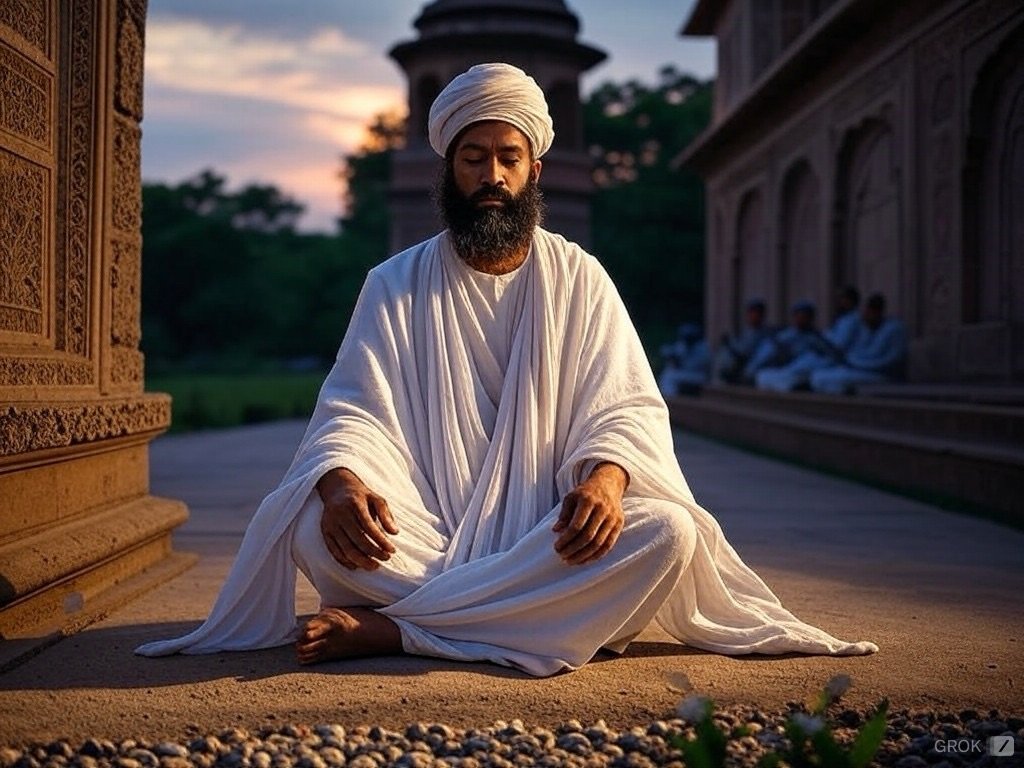


<p>The cultural history of India has been significantly shaped by two transformative movements-the Bhakti movement and Sufism. Rooted in devotion and love, these movements redefined spirituality, fostered inclusivity, and laid the foundation for India&#8217;s syncretic ethos. Their messages of universal brotherhood and equality resonate even today, offering valuable lessons in an era of growing societal divisions.</p>


<p>The Bhakti movement represents a transformative phase in Indian spirituality, evolving from a religious doctrine to a mass movement promoting devotional surrender to a personal Supreme God for salvation.<br />Traced back to ancient Brahmanical and Buddhist traditions, as well as scriptures like the Bhagavad Gita, Bhakti first gained prominence in South India between the 7th and 10th centuries. The Nayanar (Shaivite) and Alvar (Vaishnavite) saints of South India preached Bhakti through Tamil vernacular, bypassing Sanskrit&#8217;s exclusivity. They emphasized religious equality, disregarding caste and gender distinctions. Bhakti movement succeeded in democratizing spirituality. By the 11th century, the movement was revitalized by philosophers like Ramanuja, who infused it with renewed ideological depth. During the Delhi Sultanate era (13th century).<br />Bhakti movements emerged in northern India, shaped by their distinct historical and social contexts. Saints like Kabir, Tulsidas, and Mirabai further popularized the movement. However, Kabir&#8217;s monotheistic and egalitarian vision, deeply rooted in non-conformity, stood apart from the earlier South Indian traditions.<br />Sufism, which accompanied the<br />establishment of Islam in India, shared striking parallels with Bhakti traditions. The Chishti, Suhrawardi, and Naqshbandi orders emphasized love, compassion, and humility as paths to divine union. Sufi saints like Khwaja Moinuddin Chishti, Baba Farid, and Hazrat Nizamuddin Auliya attracted followers across religious divides, fostering interfaith harmony.<br />Their spiritual gatherings often included music and poetry, making devotion a collective experience. The interaction between Bhakti and Sufi traditions created a vibrant syncretic culture. Both movements rejected exclusivity, focusing on personal devotion over ritualistic orthodoxy. For example: Kabir blended Hindu and Islamic themes in his verses, resonating with both communities. Amir Khusrau, a Sufi poet, celebrated the confluence of Persian and Indian cultural motifs in his compositions.<br />Both movements championed the use of vernacular languages, making spirituality accessible to the masses. This synergy enriched India&#8217;s cultural and artistic traditions, influencing devotional music, literature, and art forms such as qawwalis and bhajans.</p>


<p>The Bhakti and Sufi movements remain pillars of India&#8217;s syncretic heritage, underscoring the power of love, devotion, and inclusivity. In a world increasingly divided by identity politics, these movements remind us of the shared spiritual values that bind humanity. Their teachings, if revived in education and public discourse, can inspire a more harmonious and inclusive society, true to India&#8217;s legacy of unity in diversity. These movements emphasize that spirituality transcends religious boundaries, a vital lesson for fostering interfaith dialogue. Bhakti and Sufi saints advocated for the marginalized, inspiring ongoing efforts for equality.<br />Reviving their music, poetry, and philosophies can strengthen India&#8217;s pluralistic identity.</p>


<p>-Mohd. Saleem,<br />PhD, Jamia Millia Islamia</p>

Bhakti Movement and Sufism: The Founding Stone of Syncretic Culture in India